For many people visiting Morocco, Ramadan can feel mysterious from the outside.
From afar it’s often reduced to rules about fasting hours or questions about whether cafés remain open. But on the ground in Taghazout, it feels completely different.
Slower during the day. Fresh and festive nights. Deeply human and surprisingly welcoming… especially if you’re staying somewhere community-led like Surf Maroc.
Where does Ramadan come from?
Ramadan falls in the ninth month of the Islamic calendar, which follows a lunar pattern based on moon phases.
Unlike the Gregorian calendar we’re all used to, the dates shift every year (about an hour earlier each day or roughly 11 days per year). That means Ramadan occurs in different seasons over time.
Essentially, it’s all about the lunar cycle. The month begins when the crescent moon is sighted, a moment that still carries real weight across Muslim countries, including Morocco.
It’s a month-long Islamic holiday marking the period when the Quran was first revealed. For many Muslims, it’s a sacred month centred on spiritual reflection, generosity, self-discipline and community.
From dawn until sunset, Moroccan muslims fast. This means no consuming food, no drinking water, no smoking during daylight hours. The fast starts before the sun rises, after the pre-dawn meal, and ends as sunset approaches.
The end of Ramadan is marked by Eid al-Fitr. This signals a return to daytime eating, family visits and celebration. It’s joyful, generous and deeply social. And it’s one of the best things about running surf and yoga experiences in Morocco.
Ramadan in Morocco: Fasting and daily rituals
After more than 20 years in Morocco, we’ve learnt that Ramadan doesn’t pause life here. It simply shifts the rhythm.
Workdays for many offices and local shops start later and some places close earlier. Prayer times shape each day and the call to prayer becomes a constant, grounding presence across towns and cities.
In larger cities, many restaurants remain open during the day. In more rural areas things feel quieter and more traditional. Taghazout sits comfortably in between. A village at heart, a surf town in practice, with cafés and restaurants staying open, especially around Surf Maroc.
A few practical realities during Ramadan:
- Some cafés and restaurants open later or operate discreetly during the day
- Alcohol availability is limited and drinking in public isn’t appropriate
- Modest dress matters year-round but especially now. Covered shoulders and knees away from the beach is the simple rule
- Non-Muslim visitors aren’t expected to fast. Eating on the beach, during surf sessions or at camp is completely normal in Taghazout
After sunset, the energy shifts. The fast is broken, families gather and the evenings come alive with food, conversation and a shared sense of occasion.
It’s one of the most rewarding times to be in Taghazout and a reminder that staying with Surf Maroc lets you experience Morocco as it really is, not from the sidelines.
Iftar in Morocco: When the fast is broken
At sunset, people break the fast together with iftar meals. Families gather. Friends spill into the streets. Morocco’s streets shift from quiet to animated in minutes. You’ll see food stalls, street food stalls and tables piled high with special foods.
Typical traditional dishes include:
- Harira soup with dates
- Hard-boiled eggs
- Fresh bread and pastries
- Sweet treats and mint tea
This evening meal isn’t just food… it’s about connection. A shared pause. A daily reset that reinforces community spirit and generosity. Local traditions that lead to a generous Ramadan.
Many people also attend special prayers at local mosques during the evening, adding another layer of spiritual connection to the night.
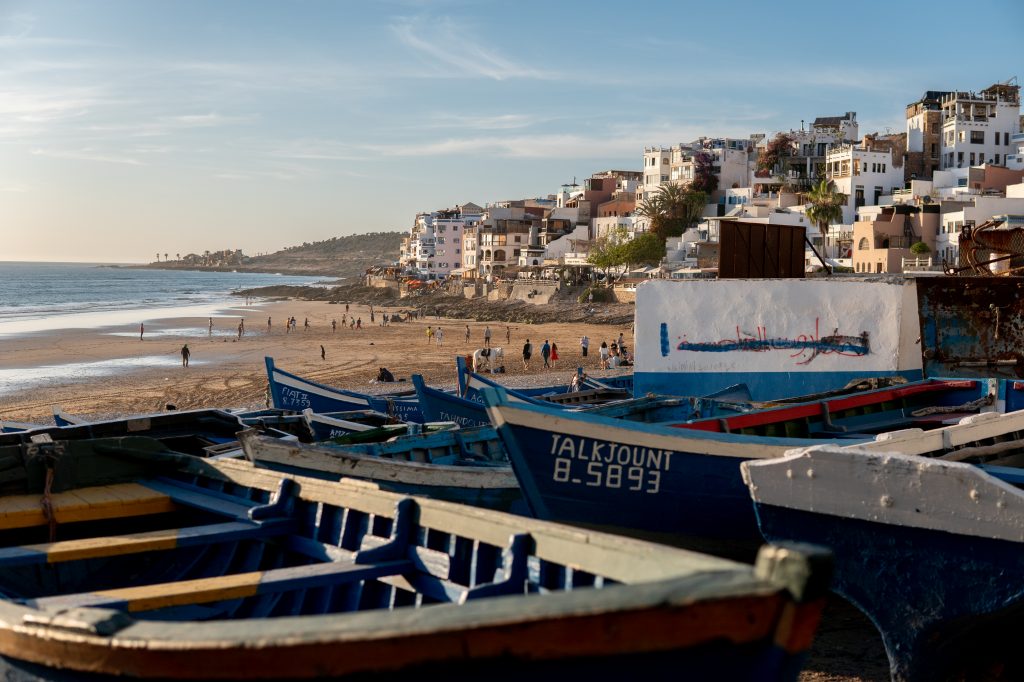
And what about Taghazout during Ramadan?
DA600870
In Taghazout, Ramadan feels grounded and calm.
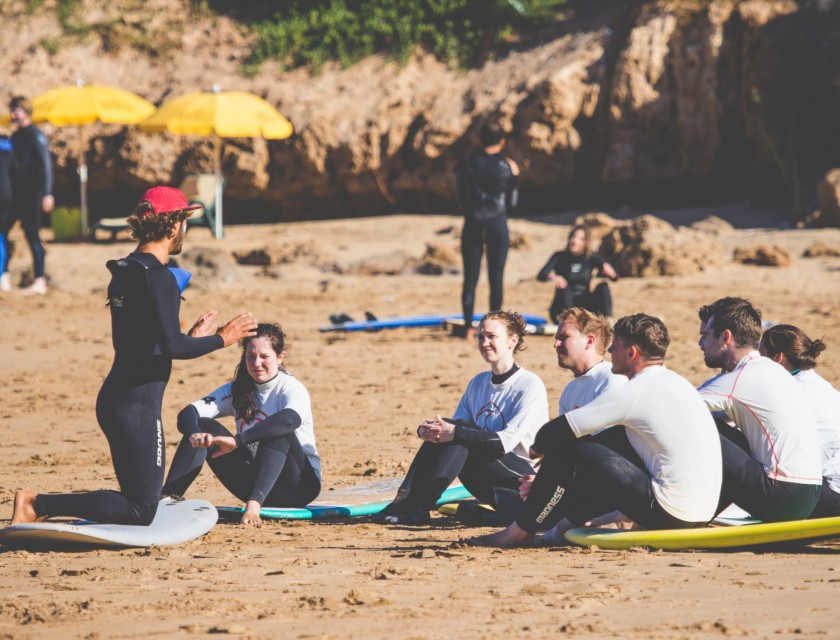
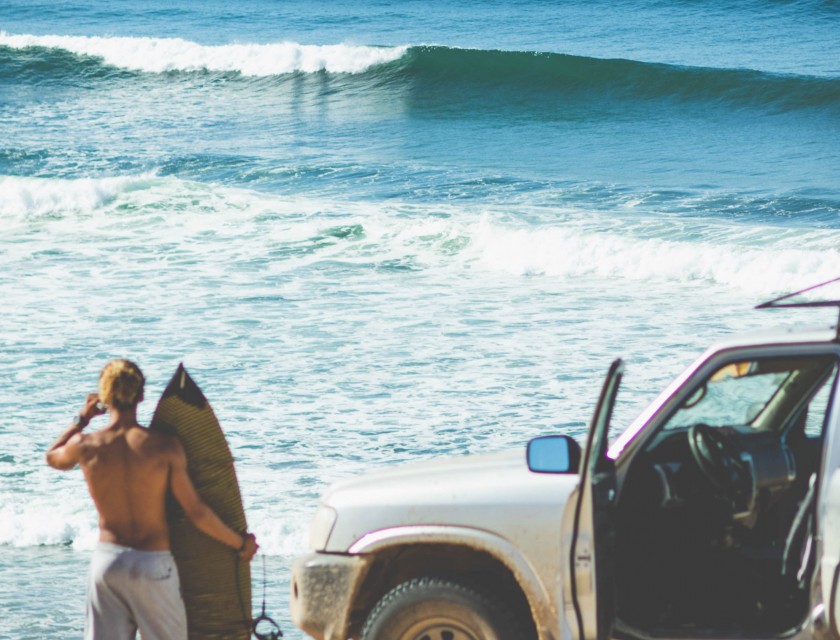
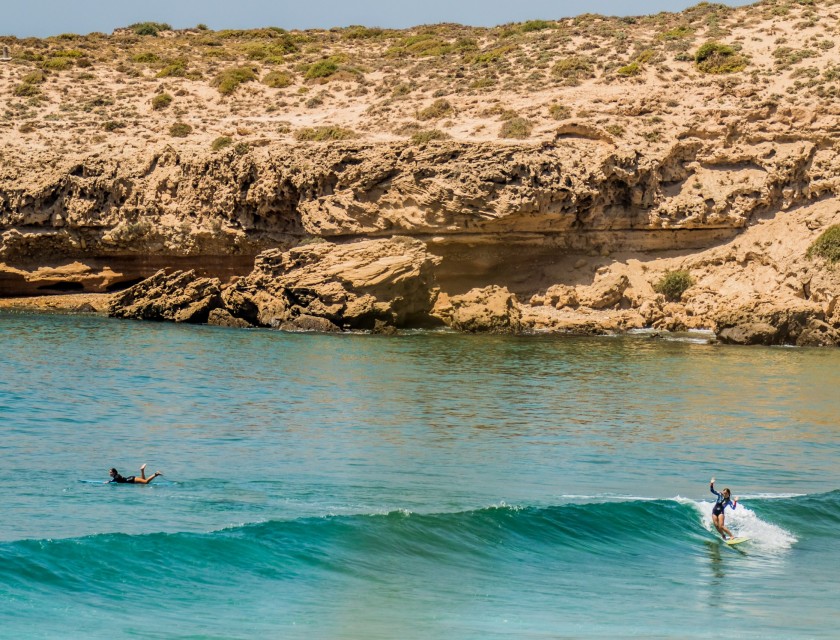
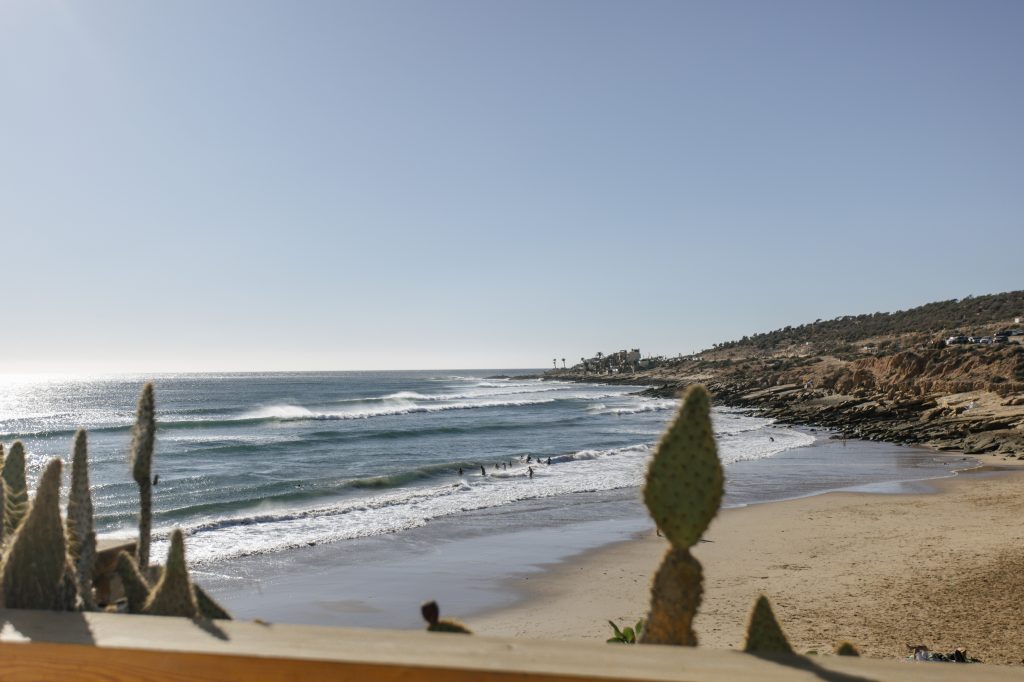
The ocean doesn’t fast. Surf mornings still happen (and often with less crowds too). Sessions for locals often finish earlier as energy dips, but the vibe stays relaxed. During the day the village is quieter. At night? It’s social and full of life.
For non-fasting visitors, this can be one of the most enriching experiences of the year. It can also be an opportunity to surf with fewer people in the water.
The best part though is you can see daily life from the inside. You’re invited into local customs and traditional customs that Moroccan people hold dear. You learn when to slow down and when to lean in. It’s a blessed Ramadan experience that stays with you long after you leave.
Staying somewhere like Surf Maroc makes all the difference. Staff explain what’s happening, share customs and make sure guests feel comfortable without tiptoeing. It’s really nice actually. You practically get a local insight into Ramadan from people who’ve lived it their entire life.
Just keep in mind that respect goes a long way…
Despite all this, it’s important to remember that Ramadan is an incredibly holy time of year for muslims.
This means that respect is not only necessary, but expected. Don’t take this as a sign that you’re not welcome. It’s just that you’ll need to be aware that you’re visiting during a period of significance. A few simple gestures matter:
- Say Ramadan Mubarak, Ramadan Kareem or Happy Ramadan if someone is fasting
- Be patient if the service feels slower during the day
- Save snacks and water for private spaces… if you need to buy food, look for discreet cafés or eat at your accommodation
- Feel free to ask questions with curiosity!
Ramadan affects tourists less than people expect. Most travellers leave saying it added depth to their trip rather than limiting it.
FAQ
- Can I still surf during Ramadan in Taghazout?
Absolutely. The waves don’t stop for Ramadan and neither do we! Mid-morning sessions are ideal. Just expect things to wind down a bit earlier in the day as locals conserve energy. You’ll still find surf guides and instructors available, especially at places like Surf Maroc. Many Moroccans who work in surf tourism adapt their schedules to keep the stoke alive while respecting the lunar calendar.
- Will I be able to find food and water during the day?
Yes, though it requires a bit more awareness. Some cafés stay open quietly and your accommodation will typically serve meals to non-fasting visitors. You can buy food at small shops or supermarkets if needed. Just be discreet about eating or drinking in public out of respect for those who are fasting.
- Is it inappropriate to visit Morocco during Ramadan?
Not at all. Many Moroccans welcome visitors during the holy month. Many travellers say Ramadan is one of the best times to visit. You get to experience Moroccan culture more intimately, with vibrant evenings full of life and connection.
- What should I wear during Ramadan?
Modest dress is key… think covered shoulders and knees, especially when you’re not at the beach. This applies year-round in Morocco, but it’s particularly appreciated during Ramadan. On surf days, you’re fine in your usual gear. Understanding these local customs shows respect for the culture you’re visiting.
- Can I join locals for iftar?
If you’re invited, absolutely say yes! Iftar is a communal experience. And sharing it with locals is unforgettable. Don’t be shy about asking questions. Moroccan people are usually happy to explain the traditions.
- Do yoga classes still run during Ramadan?
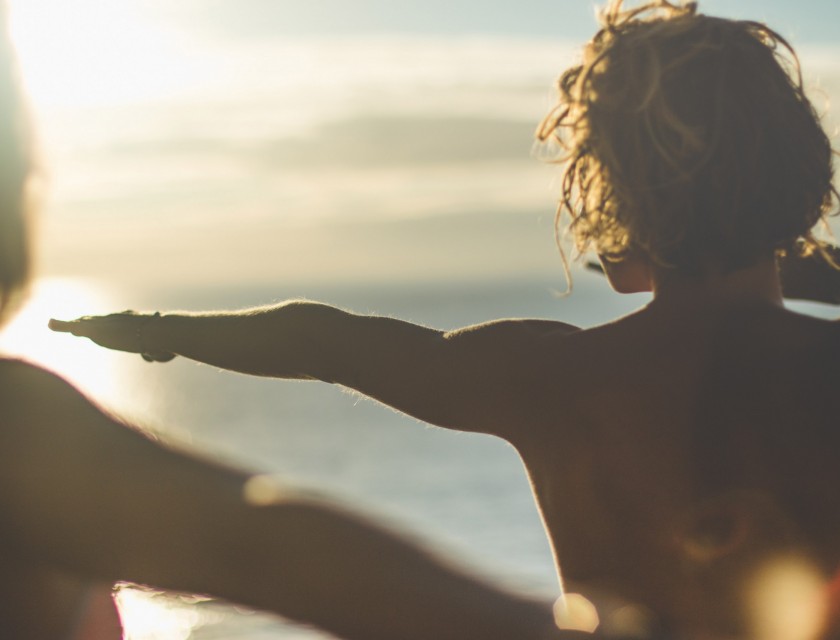
Yes! Morning and evening classes tend to work best, fitting naturally around the rhythm of the Islamic lunar calendar that shapes the month. Check with our team for more info or discover whether a surf yoga retreat is for you.
- What happens after Ramadan is over?
Eid al-Fitr marks the close of a reflective cycle and the return to daytime normality, but the warmth lingers. Shops reopen fully. Families visit each other. New clothes appear. The fasting ends and the celebration begins.
AM VIEW ByBellaBunce
Should you visit Morocco during Ramadan?
Understanding Moroccan Ramadan isn’t about rules… it’s about people. About how faith quietly shapes time, meals, movement and care for others. Experiencing Ramadan happens differently depending on where you are. And in Taghazout it feels especially gentle and welcoming.
For travellers, surfers and curious minds, spending Ramadan in Morocco offers context that the headlines never do. It replaces distance with familiarity. It shows how Moroccan culture balances tradition with openness. And it reminds you that shared respect travels better than assumptions.
Hopefully you enjoy it as much as we do!